Content
Pepole
CV

| Report Name | Publisher | Publication Frequency | Publication Month | Main Coverage |
| Global Financial Stability Report | IMF | Semi-Annual | April & October | Financial Stability, Systemic Risk |
For more information click here
| Report Name | Publisher | Publication Frequency | Publication Month | Main Coverage |
| Global Policy Agenda | IMF | Semi-Annual | April & October | Governance, Macroeconomic Policy, Anti-Corruption |
For more information click here
Global Policy Agenda 2026
The world is facing the spillover effects of a new conflict. Moreover, the economic repercussions of the war in the Middle East extend beyond the region’s borders, affecting vulnerable and low-income countries the most. Amid a narrowing policy space and weakening international cooperation, managing these shocks requires realistic, agile, and framework-based policymaking. The International Monetary Fund (IMF) has also reaffirmed its readiness to support member countries and provide the necessary financing.
| Report Name | Publisher | Publication Frequency | Publication Month | Main Coverage |
| Global Policy Agenda | IMF | Semi-Annual | April & October | Governance, Macroeconomic Policy, Anti-Corruption |
Finance & Development: A Look at Global Economic Developments
F&D is the specialized magazine of the International Monetary Fund (IMF), focusing on the examination and analysis of the most significant global economic, financial, and development trends and challenges. Drawing on the insights of experts and researchers, the publication explores a wide range of topics, including economic policies, trade, financial stability, development, technology, and geopolitical transformations.
| Report Name | Publisher | Publication Frequency | Publication Month | Main Coverage |
| F&D Magazine | IMF | Quarterly | September, December, March, June | Governance, Development & Corruption |
Achievements of Ghana's Economic Reform Program and Upcoming Challenges
The IMF's Extended Credit Facility (ECF) program in Ghana, following the 2022 debt crisis, has contributed to improving macroeconomic stability, reducing inflation, strengthening international reserves, and alleviating financing pressures. Despite these achievements, Ghana's economy still faces challenges including the dependence of fiscal adjustment on expenditure cuts, high risks in the financial sector, and fiscal risks stemming from state-owned enterprises (SOEs).
| Report Name | Publisher | Publication Frequency | Publication Month | Main Coverage |
| Country Reports | IMF | Ad-hoc / High Frequency | — | Macroeconomics, Fiscal Policy, Balance of Payments, Governance |
Economic Consequences of the War in the Middle East and Regional Spillovers
This report examines the economic effects of the war in the Middle East on Middle Eastern, North African, Afghan, and Pakistani countries, as well as its spillover effects on the Caucasus and Central Asia. Disruptions in energy production and exports, air transport, logistics supply chains, and financial markets have shrouded the region's economic outlook in significant uncertainty. The continuation of the war could be accompanied by rising energy prices, intensified trade disruptions, declining confidence, and narrower fiscal space for governments. The report also emphasizes the necessity of adopting disciplined yet flexible policies to mitigate the effects of this shock.
| Report Name | Publisher | Publication Frequency | Publication Month | Main Coverage |
| Regional Economic Outlook – Western Hemisphere | IMF | Semi-Annual | April & October | Regional Economics, Welfare, Inflation |
For more information, click here
Economic Consequences of the War in the Middle East and Regional Spillovers
This report examines the economic effects of the war in the Middle East on Middle Eastern, North African, Afghan, and Pakistani countries, as well as its spillover effects on the Caucasus and Central Asia. Disruptions in energy production and exports, air transport, logistics supply chains, and financial markets have shrouded the region's economic outlook in significant uncertainty. The continuation of the war could be accompanied by rising energy prices, intensified trade disruptions, declining confidence, and narrower fiscal space for governments. The report also emphasizes the necessity of adopting disciplined yet flexible policies to mitigate the effects of this shock.
| Report Name | Publisher | Publication Frequency | Publication Month | Main Coverage |
| Regional Economic Outlook – Western Hemisphere | IMF | Semi-Annual | April & October | Regional Economics, Welfare, Inflation |
For more information click here
Energy Shock and the Outlook for the European Economy
The war in the Middle East, by creating a supply shock driven by rising energy costs, has weakened European economic growth and intensified inflationary pressures and uncertainty. Early signs indicate declining investment and consumption, with Eurozone economic growth projected at 1.1% in 2026 amidst rising risks. Under these conditions, policymakers must keep fiscal support targeted and temporary while anchoring inflation expectations and maintaining financial stability, simultaneously reducing energy dependency and enhancing productivity to boost the European economy's resilience against future shocks.
| Report Name | Publisher | Publication Frequency | Publication Month | Main Coverage |
| Regional Economic Outlook – Europe | IMF | Semi-Annual | April & October | European Economy, Monetary Policy, Risk |
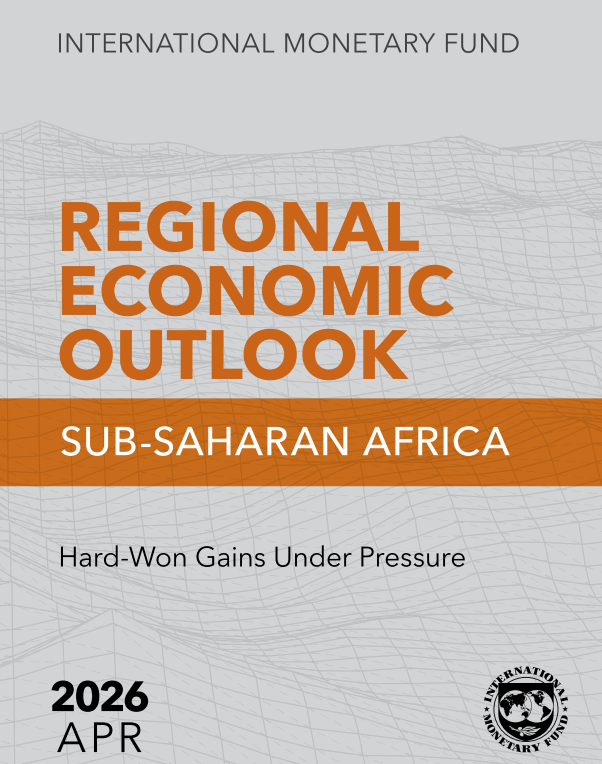
Outlook for the Sub-Saharan African Economy in 2026
Sub-Saharan African countries, following 4.5% growth in 2025 and achieving progress in macroeconomic stability, have entered 2026 under differing conditions. The war in the Middle East, through rising fuel and fertilizer prices, has weakened the region's economic outlook, while declining foreign aid and rising food prices intensify pressure on poverty and food security. Regional growth for 2026 is projected at approximately 4.3%. The report emphasizes short-term management of this shock and the implementation of structural reforms to boost productivity, employment, and economic resilience.
| Report Name | Publisher | Publication Frequency | Publication Month | Main Coverage |
| Regional Economic Outlook – SubSaharan Africa | IMF | Semi-Annual | April & October | African Economy, Welfare Policy |
Economic Outlook for Asia in 2026
The Asian economy enters 2026 backed by a relatively strong foundation (despite trade tensions last year) and remarkable resilience. However, the war in the Middle East and rising oil and gas prices have exacerbated inflationary pressures and trade deficits, narrowing policy space for governments—especially in energy-import-dependent economies. Asia will continue to lead global economic growth, but the persistence or escalation of this shock heightens risks facing the region. Strengthening social protection, structural reforms, and transitioning to clean and reliable energy sources are key priorities to boost the region's economic resilience.
| Report Name | Publisher | Publication Frequency | Publication Month | Main Coverage |
| Regional Economic Outlook – Asia & Pacific | IMF | Semi-Annual | April & October | Asia-Pacific Economy, Growth |
For more information click here
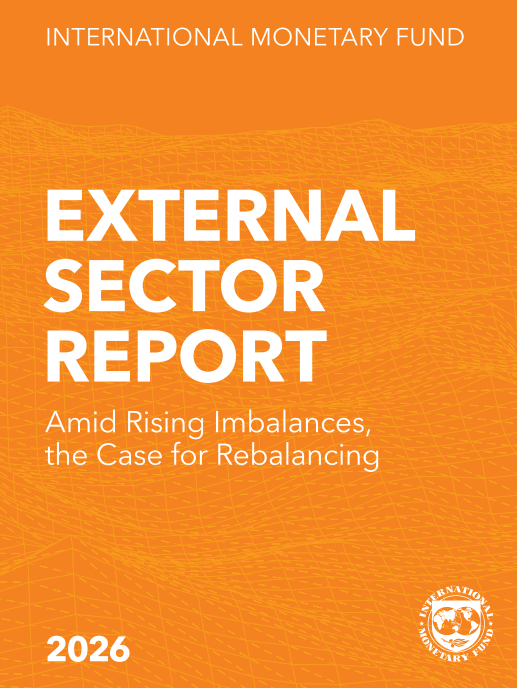
Current Account Imbalances in the Global Economy
Based on 2025 data, this report examines the external position of 30 major global economies. Global current account imbalances increased in 2025, with China and the United States being the primary drivers of this trend. Persistent large surpluses and deficits can signal unbalanced economic growth across countries and increase the risk of abrupt, disorderly adjustments in the global economy. The report emphasizes national economic policy coordination to reduce internal imbalances—an approach that can help reduce global imbalances and foster international economic growth and stability.
| Report Name | Publisher | Publication Frequency | Publication Month | Main Coverage |
| External Sector Report – "External Rebalancing in Turbulent Times" | IMF | Annual | April | External Balance |
For more information click here
Assessment of China's Financial System Stability
This report assesses the financial stability status of the People's Republic of China. Based on the report's findings, China has made significant progress since 2017 in strengthening financial supervision and regulation, implementing international standards, and monitoring systemic risks, with risks from non-bank financial institutions also declining. However, the ongoing real estate downturn and rising financial pressures on local government financing vehicles (LGFVs), alongside slowing economic growth, could impact credit asset quality and bank profitability. The report emphasizes continuous strengthening of financial supervision and regulation, enhancing analytical capacity, and improving the crisis management framework to effectively address systemic risks.
| Report Name | Publisher | Publication Frequency | Publication Month | Main Coverage |
| People’s Republic of China: Financial Sector Assessment Program... | IMF | Ad-hoc | April | Macroeconomics, Monetary Policy, Finance |
Egypt: 2025 Article IV Consultation – Staff Report
This series examines critical, contemporary macroeconomic and policy developments across national, regional, and global economies. It delivers expert perspectives, policy insights, and technical analysis from International Monetary Fund (IMF) staff regarding ongoing economic challenges and structural policy design.
| Report Title | Publisher | Frequency | Month | Core Coverage Areas |
| Egypt: 2025 Article IV Consultation – Staff Report | IMF | Periodic / Ad Hoc | April | Foreign Exchange, Balance of Payments, Inflation & Fiscal Policy |
For more information, click here
Impact of External Shocks on the Egyptian Economy
Ongoing external shocks have complicated policy-making conditions in Egypt. The war in Sudan since April 2023 has led to a large inflow of Sudanese refugees into Egypt, with approximately 603,000 Sudanese refugees registered in the country by the end of 2024. On the other hand, disruptions in Red Sea shipping since December 2023 reduced Suez Canal foreign exchange revenues by about $6 billion in 2024, cutting transit trade volume to roughly one-third of pre-conflict levels. These developments have placed further pressure on economic growth and government revenues.
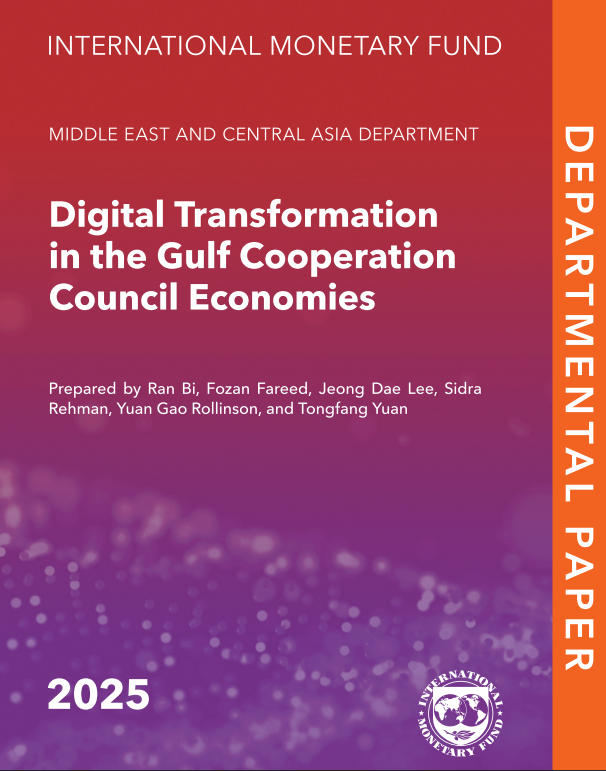
| Report Name | Publisher | Publication Frequency | Publication Month | Main Coverage |
| Digital Transformation in the Gulf Cooperation Council Economies | IMF | Policy Paper | April | Digital Transformation, Tech Infrastructure |
For more information, click here
Specialized Departmental Reports of the International Monetary Fund
These reports are typically dedicated to examining a specific economic topic, country, or region, prepared to provide rapid and cost-effective responses to the research and communication needs of the IMF's regional and specialized departments.
| Report Name | Publisher | Publication Frequency | Publication Month | Main Coverage |
| Departmental Papers | IMF | Policy Paper | — | Economic Reports, Regional Studies |
For more information, click here

This series examines critical and contemporary economic and policy issues at national, regional, and global levels, offering expert insights and technical analyses from International Monetary Fund (IMF) staff on key economic challenges and policy options
| Report Title | Publisher | Frequency | Month | Core Coverage Areas |
| Staff Discussion Notes | IMF | Occasional / Staff Paper | — | Macroeconomic Policy & Financial Analysis |